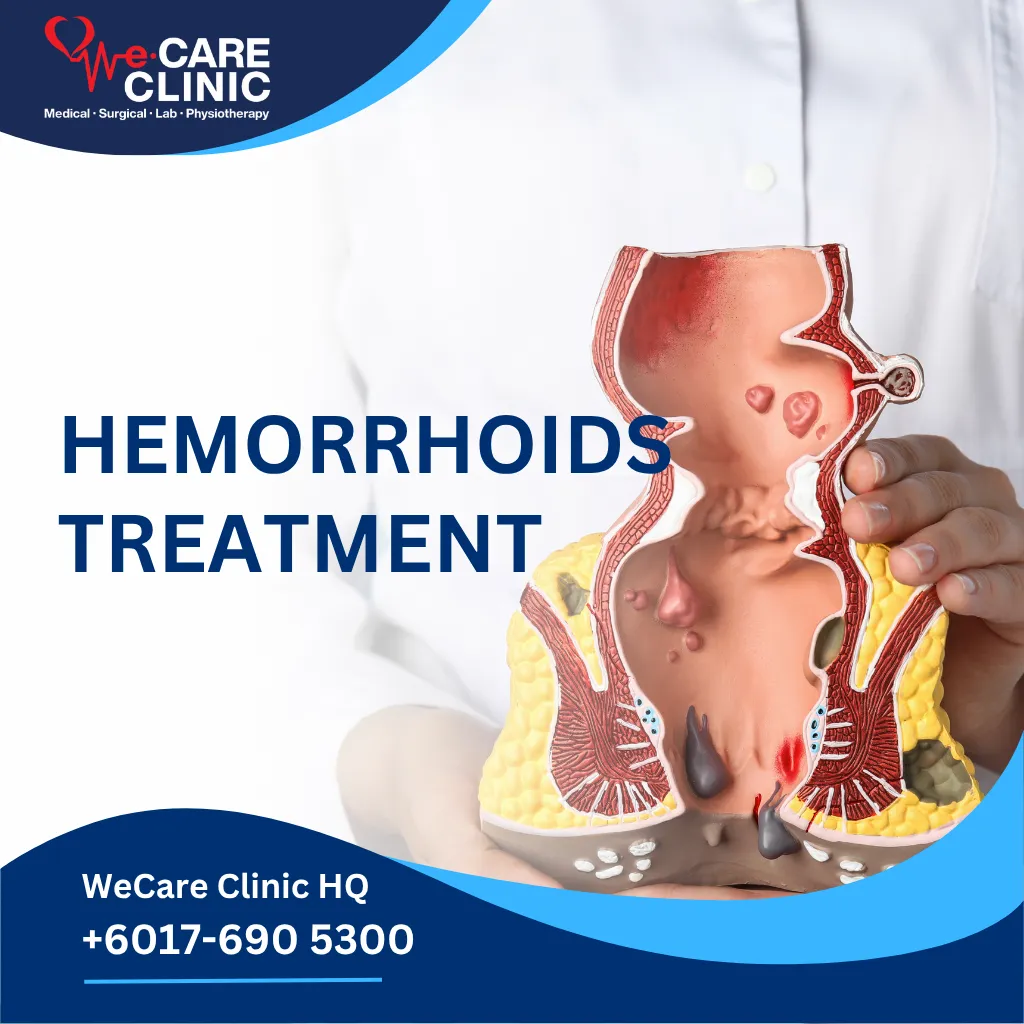
Haemorrhoids are a common problem that can cause discomfort, itching, bleeding, swelling, or pain around the anal area. Some cases are mild and settle with simple measures, while others continue to affect daily comfort and may need medical assessment.
People considering piles treatment should first understand that symptoms can vary depending on the type and severity of the haemorrhoids. A proper examination can help confirm the cause of the symptoms and guide the next step.
Understand What Haemorrhoids Are
Haemorrhoids are swollen veins in or around the lower rectum and anus. They may develop internally, externally, or as a combination of both.
Some people may not notice any symptoms at all, while others experience itching, discomfort, swelling, or bleeding during bowel movements. The severity can also change over time.
Do Not Ignore Recurrent Bleeding
Bright red blood after a bowel movement can occur with haemorrhoids, but bleeding should not automatically be assumed to come from piles.
Other conditions can cause similar symptoms. If bleeding keeps returning, increases, or is accompanied by other changes, a medical assessment is important to confirm the cause.
Constipation Can Make Symptoms Worse
Straining during bowel movements can increase pressure around the rectal area and may contribute to haemorrhoid symptoms. Hard stools can also make existing irritation more uncomfortable.
Improving bowel habits can sometimes help reduce strain. Drinking enough fluids, eating suitable fibre-rich foods, and avoiding unnecessary delay when using the toilet may support more regular bowel movements.
Sitting for Long Periods May Add Pressure
Some people spend long periods sitting for work or while using the toilet. This can place additional pressure on the affected area and may make discomfort more noticeable.
Taking regular movement breaks and avoiding prolonged toilet sitting can be useful habits. These changes may not remove haemorrhoids, but they can help reduce repeated strain.
When Treatment May Be Considered
People searching for hemorrhoids treatment kl may be experiencing symptoms that have not improved with basic measures. Medical treatment depends on the type, severity, and location of the haemorrhoids.
Some cases may be managed conservatively, while others may need a procedure. The most suitable approach should be based on examination rather than choosing a treatment only from symptoms described online.
Ask About Rubber Band Ligation
For selected internal haemorrhoids, a clinician may discuss rubber band ligation. This procedure involves placing a small band around the base of the haemorrhoid to reduce its blood supply.
It is not suitable for every case. The clinician needs to assess whether the haemorrhoid is internal, its grade, the patient’s symptoms, and any relevant medical history before recommending it.
Know When Pain Needs Attention
Haemorrhoids can cause discomfort, but severe or sudden pain may need closer assessment. External haemorrhoids can sometimes become more painful if a clot develops.
Patients should not assume that intense pain is simply a normal part of piles. A clinician can determine whether the pain is linked to haemorrhoids or another anorectal condition.
See also: Smart Background Check: Moving Beyond Basic Identity Checks
Prepare for the Consultation
Patients can make the consultation more useful by explaining how long the symptoms have been present, how often bleeding occurs, and whether there is itching, swelling, pain, or a lump.
It is also helpful to mention bowel habits, constipation, previous treatments, and any medicines currently being taken. Clear information helps the clinician understand the pattern of the problem.
Follow Aftercare Instructions Carefully
If a procedure is performed, patients may receive instructions about activity, diet, bowel habits, and what symptoms to monitor during recovery.
They should follow these instructions and seek review if they experience heavy bleeding, worsening pain, fever, or other unexpected symptoms. Recovery guidance may vary depending on the procedure used.
Do Not Delay Assessment for Ongoing Symptoms
Persistent anal bleeding, unexplained weight loss, major bowel habit changes, or symptoms that continue despite treatment should not simply be attributed to haemorrhoids.
Further evaluation may be needed to rule out other causes. Early assessment can help ensure that the correct condition is being treated.
Conclusion
Haemorrhoids are common, but the right approach depends on the type of symptoms and how long they have been present. Mild cases may improve with better bowel habits and reduced straining, while persistent or troublesome symptoms may need clinical treatment.
Medical assessment is especially important when bleeding keeps returning, pain becomes severe, or symptoms fail to improve. Confirming the cause first helps patients avoid treating the wrong problem and allows the most appropriate care plan to be considered.