Roof replacement is not an activity that most homeowners undertake on more than one or two occasions in their lifetime, hence making it seem quite daunting when the need arises. However, it is a major investment with many processes involved; once one understands the process and the factors that determine its costs, everything becomes clear.
You’ll start by picking materials — asphalt shingles are still the go-to for most homes, though standing seam metal roofing has become a popular option for people who want something more durable and modern-looking. From there, it’s really about understanding the schedule and the budget so you’re not caught off guard partway through.
How the Timeline Usually Breaks Down
Weather and odd roof designs may cause some deviation, but generally, the sequence for all residential projects is as follows:
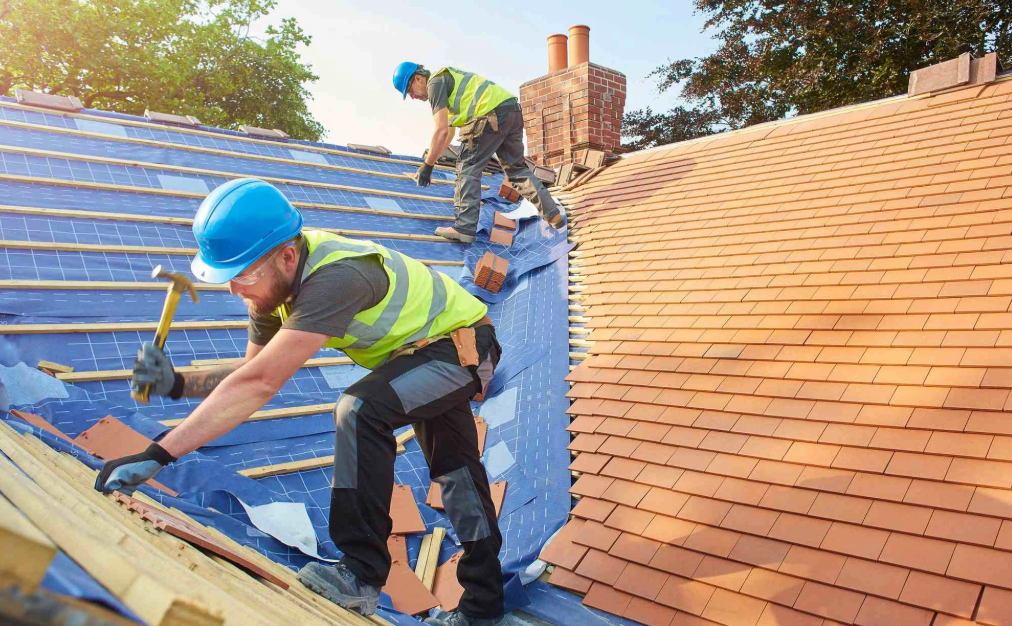
A couple of weeks ahead of time, your contractor will perform the last inspection, procure materials for your Standing Seam Roofing , and set the schedule. Day one is tear-off — crews strip the old roofing down to the wood deck. This is also when they’ll spot any rot or sagging that needs to be fixed before new materials go on, which is often where surprises show up
The next couple of days are installation: underlayment, ice and water barriers, drip edges, then the actual roofing material.Flashing is installed around the chimneys and vents, and at the end, the site is swept clean using magnets for stray nails.
For a regular home, the actual construction period is one to three days, provided the weather permits.
What Drives the Price
There’s no single number that applies to every roof — a few things push the cost up or down:
- Size and pitch. A larger size of your roof requires more materials and labor, while the steepness of your roof slope requires additional equipment.
- Material choice. Cheap shingles are the cheapest materials; metal, clay tiles, or expensive synthetic shingles are more costly but durable.
- Roof complexity.It is much faster to put up a roof that has some slope but no valleys, dormers, or gables.
See also: Bring More Daylight Into Your Home With Stylish Roof Glazing Ideas
A few costs tend to sneak up on people:
- Rotted decking. If water got under the old shingles, some of the plywood underneath may need replacing.
- Debris removal. Old roofing is heavy, and hauling it away often comes with its own charge.
- Better underlayment. Investing in an expensive synthetic membrane may cost more, but it will increase the life span of your roof.
Picking the Right Contractor
This is the part that saves people the most headaches, and it’s also the part they tend to rush. A cheap quote that comes in way below everyone else’s is usually cheap for a reason — corners get cut somewhere, whether that’s underlayment quality, cleanup, or just how carefully the crew works.
A few things worth checking before you sign anything: make sure they’re licensed and insured (ask to see it, don’t just take their word for it), read a handful of recent reviews rather than just the top ones on their website, and get the warranty terms in writing — both the manufacturer’s warranty on materials and the contractor’s own warranty on their labor. Good contractors are used to these questions and won’t get weird about answering them. If someone dodges or rushes you past this stuff, that’s worth paying attention to.
It also helps to get two or three quotes, not because you’re hunting for the cheapest one, but because it gives you a sense of what’s normal for a job like yours — materials, timeline, price range. If one quote is wildly out of line with the others, you want to know why before the crew shows up.
What It’s Actually Like Having Your Roof Done
It’s loud. Expect hammering and equipment noise from early morning into the afternoon for however many days the job takes.
Crews will usually set up a dumpster in the driveway and tarp off landscaping or siding to catch falling debris. Move your cars to the street if you can, and take down anything fragile hanging on your walls — the vibration is more noticeable than people expect.
Your property is essentially a workplace during this time, hence having the children and animals indoors would be best. Also, a good contractor should visit you daily, especially if they discover anything out of the ordinary when they remove your old roof.
After the Crew Leaves
The work isn’t quite done the moment the last shingle goes on. A good contractor will walk the property with you, or at least send someone to do a final inspection, checking that flashing is sealed properly, gutters weren’t knocked loose, and nothing was missed around vents or chimneys.
It’s worth doing your own once-over too — walk the yard and check the flower beds, driveway, and any siding that was tarped for stray nails or debris the magnet sweep might’ve missed. It’s not much, but it’s easier to pick up now than walk around on a nail for three weeks.
Keep the paperwork, including the invoice, the warranty documentation, and any pictures taken of the deck prior to its being covered up.. If you ever sell the house or need a repair down the line, that paper trail is genuinely useful — and it’s the kind of thing people wish they’d kept once they need it and don’t have it.
Bottom Line
A roof replacement is a big project, but it’s not an unpredictable one. Once you know roughly how the timeline unfolds and what’s actually driving your quote, it’s much easier to plan around — whether you end up going with standard shingles or something like Standing Seam Roofing