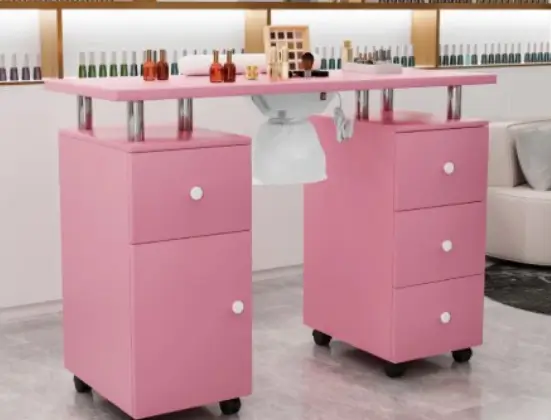
A well-designed nail table is one of the most important pieces of furniture in any nail salon, beauty studio, or home manicure setup. The comfort of the technician, the satisfaction of the client, and the overall professionalism of the workspace all depend heavily on choosing the correct nail table dimensions. Many people focus only on style and color, but size and proportions play a much bigger role in daily use than most realize.
In this detailed guide, we will explore everything about nail table dimensions, including standard sizes, ideal measurements, space planning, ergonomic factors, and tips for selecting the perfect table for your salon or personal use. This content is designed for guest posting and is fully original, practical, and SEO-friendly.
Why Nail Table Dimensions Matter
The size of a nail table is not just a technical detail—it directly affects workflow efficiency and comfort. A table that is too small can make tools feel cramped and reduce productivity. On the other hand, a table that is too large can waste valuable space, especially in small salons.
Proper nail table dimensions ensure:
- Comfortable working posture for nail technicians
- Enough space for tools, lamps, and equipment
- A professional and organized appearance
- Better client experience
- Efficient use of salon space
When planning a salon setup, dimensions should always be one of the first considerations.
Standard Nail Table Dimensions
While designs may vary, most professional nail tables follow standard sizing guidelines that work well in salon environments.
1. Standard Length
The average nail table length typically ranges between:
- 36 inches to 48 inches (91 cm to 122 cm)
This length is enough to accommodate a client comfortably while leaving space for tools, nail polish displays, and a manicure lamp.
2. Standard Width (Depth)
The width is usually:
- 16 inches to 24 inches (40 cm to 61 cm)
A narrower table saves space, but a wider table provides more working area. Most salons prefer a medium width around 18–20 inches.
3. Standard Height
Height is one of the most important factors for ergonomics:
- 28 inches to 30 inches (71 cm to 76 cm)
This height allows technicians to work without bending too much, reducing strain on the back and shoulders.
Ergonomic Nail Table Dimensions for Comfort
Ergonomics plays a major role in nail table design. A poorly sized table can lead to long-term physical issues for nail technicians.
Ideal ergonomic considerations include:
- Table height should align with elbow level when seated
- Enough legroom for both client and technician
- Comfortable chair-to-table distance
- Smooth hand positioning for detailed nail work
Some modern salons even use adjustable nail tables, which allow height customization for different technicians.
Space Requirements for Nail Tables in Salons
Before purchasing a nail table, you should measure your salon space carefully. The table is only one part of the setup; movement space is equally important.
Recommended spacing:
- Minimum 36 inches (91 cm) behind the technician for movement
- At least 24–30 inches (61–76 cm) between two nail stations
- Clear walking space for clients and staff
If your salon is small, compact nail tables or wall-mounted designs can help maximize space.
Compact Nail Table Dimensions for Small Spaces
Not every salon has large floor space. For small studios or home-based nail businesses, compact tables are ideal.
Small nail table dimensions:
- Length: 30–36 inches (76–91 cm)
- Width: 16–18 inches (40–46 cm)
- Height: 28–30 inches (71–76 cm)
These sizes are perfect for beginners or mobile nail technicians who need lightweight and portable furniture.
Large Nail Table Dimensions for Professional Salons
High-end salons or busy nail studios often require larger tables to handle multiple tools, decorations, and advanced equipment.
Large nail table dimensions:
- Length: 48–60 inches (122–152 cm)
- Width: 20–30 inches (51–76 cm)
- Height: 29–31 inches (74–79 cm)
These tables often include built-in drawers, dust collectors, and storage compartments.
Additional Features That Affect Dimensions
Modern nail tables are not just flat surfaces. Many include extra features that slightly change their overall size and usability.
1. Built-in Storage Drawers
Tables with drawers may require additional width or depth.
2. Dust Collection Systems
Integrated ventilation systems can increase table height or base size.
3. Armrests and Hand Rests
These accessories add comfort but may slightly expand the working area.
4. Foldable or Portable Designs
Foldable tables may have adjustable dimensions for mobility and storage.
See also: Small Business Payroll Made Simple with StubCreator
Choosing the Right Nail Table Dimensions
When selecting the perfect nail table, consider the following factors:
1. Salon Size
Small salons need compact tables, while larger spaces can accommodate wide workstations.
2. Number of Technicians
More technicians require more stations and carefully planned spacing.
3. Type of Services
Advanced nail art and spa treatments may need larger tables for equipment.
4. Client Comfort
A well-sized table ensures clients feel relaxed during long sessions.
Common Mistakes When Choosing Nail Table Size
Many salon owners make mistakes when selecting furniture. Avoid these common issues:
- Choosing style over practicality
- Ignoring ergonomic height standards
- Overcrowding small spaces with large tables
- Not considering storage needs
- Forgetting legroom for clients
These mistakes can reduce efficiency and affect business reputation.
Final Thoughts
Understanding nail table dimensions is essential for building a functional, comfortable, and professional nail salon environment. The right size improves workflow, enhances client satisfaction, and ensures long-term comfort for nail technicians.
Whether you are setting up a luxury salon or a small home-based nail business, always prioritize proper measurements before purchasing furniture. A well-planned nail table setup is not just about appearance—it is about efficiency, health, and professionalism.