Most organisers of an upcoming event plan seating, catering, and parking long before they think about washrooms, yet the queue outside the toilets often shapes how the day feels for the public at large. A poorly matched bathroom trailer rental turns short breaks into long waits, and guests notice congestion faster than almost any other planning gap at a busy gathering.
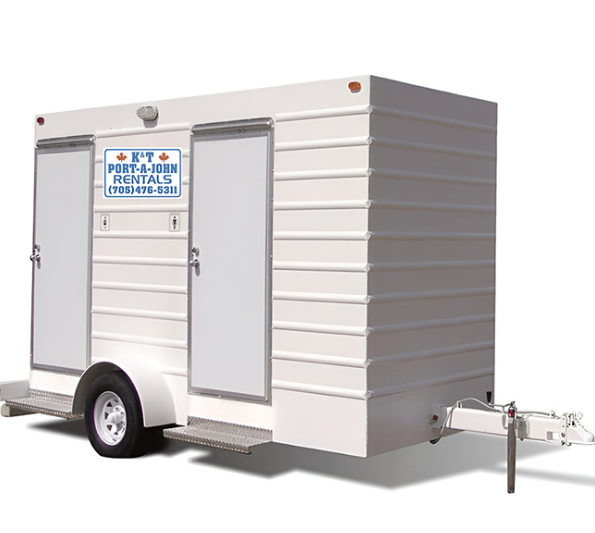
The fix is rarely more space. It is the right configuration for the crowd. A well-sized bathroom trailer rental places several stalls and handwashing points in one serviced unit, so movement stays steady even when hundreds of people reach the facilities within the same few minutes. Matching that capacity to real attendance is where smooth events are won.
The Hidden Cost of Undersized Washroom Setups at Busy Events
Queues Form Faster than Organisers Expect: Long washroom lines at a large event almost always trace back to too few stations rather than poor guest behaviour. When a single break sends a crowd towards a handful of units, the line builds within minutes and clears slowly. People miss speeches, drift back late, and carry a sour impression of an otherwise well-run day.
Late Planning Narrows the Good Options: Booking washrooms in the final week usually means accepting whatever remains rather than what the crowd needs. Event coordinators who manage large gatherings regularly see the better trailer configurations reserved well in advance, leaving latecomers with fewer stalls and awkward placements. The cost of that delay rarely shows on the invoice. It shows in the queue on the day.
See also: The Scrap Metal Nobody Bids On: Materials That Struggle to Find a Buyer
Matching Station Count to Guest Numbers for Smoother Movement
Guest Count and Event Length Set the Baseline: The number of washroom stations a large gathering needs depends on how many guests attend, how long they stay, and how much they drink across the day. Planners increasingly base these figures on occupancy load calculations and past attendance records rather than rough guesses, which keeps provision closer to real demand and stops both shortages and wasteful overbooking.
Layout Matters as Much as Numbers: Even ample stations fail when they sit in the wrong spot. Guests move through washrooms fastest when units stand near busy zones but just off the main walkway, so queues do not block foot traffic. Planners borrow from queuing theory, the study of how lines form and clear, to place stalls and sinks where meal-service and intermission peaks will not create a bottleneck.
Standalone Units versus Trailers for High-Volume Crowds
Separate Units Suit Small Sites, Not Big Crowds: Individual portable toilets cost less per piece and work well for small crews or compact venues. At a large gathering they scatter guests across the grounds and slow servicing, since each unit shares no sinks and fills at its own pace. A multi-stall bathroom trailer rental concentrates that capacity, so more guests cycle through the same footprint in less time.
Shared Sinks Change How Fast a Line Clears: A trailer serves a crowd faster than the same number of separate units because stalls and handwashing points sit together, so guests finish in one stop instead of hunting for a sink. That single detail shortens the average visit and, across a full day, removes hundreds of small delays that would otherwise stack into visible queues.
Provision That Protects the Whole Event Experience
Right-Sized Washrooms Protect Reputation and Budget: Getting washroom capacity right the first time protects more than comfort. Events remembered for long toilet queues struggle to sell out the following year, while smooth ones earn quiet trust that fills seats again. Correct provision also avoids the emergency top-up bookings and overtime servicing that undersized setups trigger once queues appear midway through.
Serviced Capacity Stays Usable at Every Peak: A larger trailer keeps performing when demand spikes, because attendants can restock and clean between rushes without closing the whole facility. Planning a bathroom trailer rental around the busiest moment of the day, not the average, keeps stalls usable from the first guest to the last and spares organisers a late scramble.
Washroom Sizing Checks for Large Events
What to Weigh before You Confirm Numbers: A few practical checks prevent most washroom bottlenecks and help match a bathroom trailer rental to the crowd it will serve on the day. Run through these points once guest numbers and the running order are close to final, since both decide how many stations you need and where they belong.
- Size provision to peak demand, such as meal service or an interval, not to the average across the day.
- Position stations near busy areas but off the main route so queues never block movement.
- Confirm that the unit includes enough handwashing points, since shared sinks clear lines faster than stalls alone.
- Book early, because the best configurations for large crowds are reserved weeks ahead.
- Arrange on-site servicing for events that run several hours or across multiple days.
Get Your Washroom Capacity Right Ahead of the Crowd
Washroom flow is one of the few event details guests judge in real time, and getting the capacity right rewards every other decision on the programme. Leave it too late and the strong trailer configurations are gone, forcing a compromise the crowd feels at every break. The gap between a smooth day and a frustrating one often comes down to this single choice.
The practical next step is simple. Share your expected guest numbers and running order with an experienced sanitation team, and let them size the stations and layout around your busiest moment. Book an early site assessment for your next large gathering, and give your guests washrooms that keep the whole day moving.