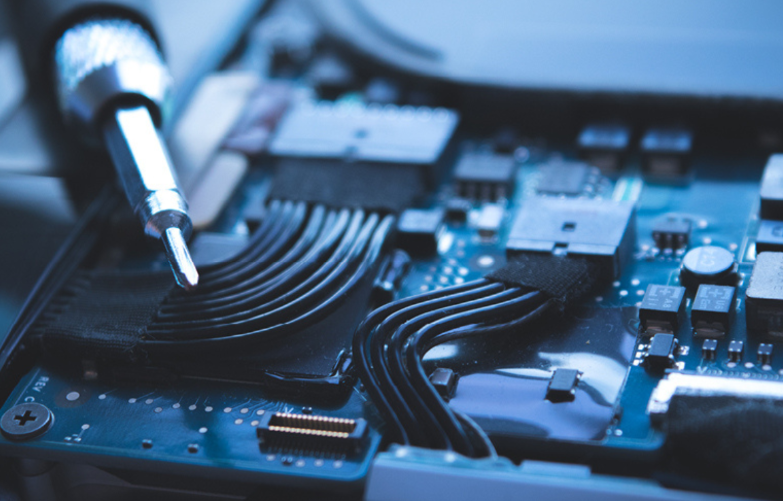
Hardware technology encompasses the tangible elements that constitute computing systems. This includes processors, memory, storage devices, and input/output units. Understanding these components is vital for grasping how devices operate effectively. Over time, hardware has evolved significantly, impacting performance and efficiency. As technology progresses, the relationship between hardware and software becomes increasingly intricate. Exploring this dynamic reveals insights into the future of digital experiences and the innovations that lie ahead.
The Components of Hardware Technology
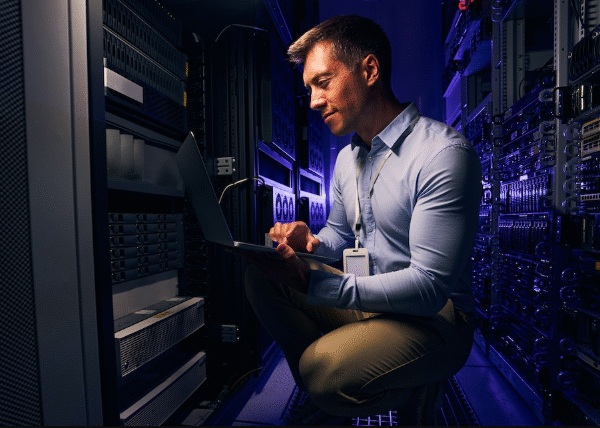
The realm of hardware technology encompasses a diverse array of components that work in concert to form the backbone of modern computing systems.
These hardware components include processors, memory, storage devices, and input/output units, each categorized into various hardware types.
Understanding these elements is essential for anyone seeking to appreciate the intricacies of technology, as they collectively enable freedom of expression and innovation in computing.
See also: What Is Encryption Technology?
The Evolution of Hardware Technology
As advancements in technology have unfolded over the decades, hardware technology has experienced transformative changes that have fundamentally reshaped the landscape of computing.
Notably, transistor advancements and semiconductor innovations have paved the way for increased efficiency and miniaturization.
These developments have empowered users with unprecedented processing power, fostering creativity and freedom in the digital realm, ultimately revolutionizing how individuals interact with technology.
The Role of Hardware in Modern Devices
While software applications often take center stage in discussions about technology, hardware remains the backbone of modern devices, enabling them to function effectively and efficiently.
Hardware advancements drive device integration, allowing various components to work seamlessly together. This synergy enhances user experience, fosters innovation, and supports diverse applications, from smartphones to smart homes, ultimately enriching daily life and promoting technological freedom.
Understanding Hardware Performance and Compatibility
Understanding hardware performance and compatibility is crucial for optimizing the functionality of modern devices. Performance benchmarks provide measurable insights into a device’s capabilities, enabling users to make informed choices.
However, compatibility issues can hinder optimal performance, often arising from mismatched components. By addressing these factors, users can enhance their device’s efficiency, ensuring a seamless experience that aligns with their quest for technological freedom.
Conclusion
In conclusion, hardware technology serves as the foundational pillar of modern computing systems, driving efficiency and innovation. For instance, the transition from bulky hard drives to compact solid-state drives (SSDs) in laptops illustrates how advancements in hardware can enhance performance and user experience. This evolution not only reduces the physical footprint of devices but also significantly improves data access speeds, showcasing the critical role that hardware continues to play in shaping the digital landscape and influencing user interactions.