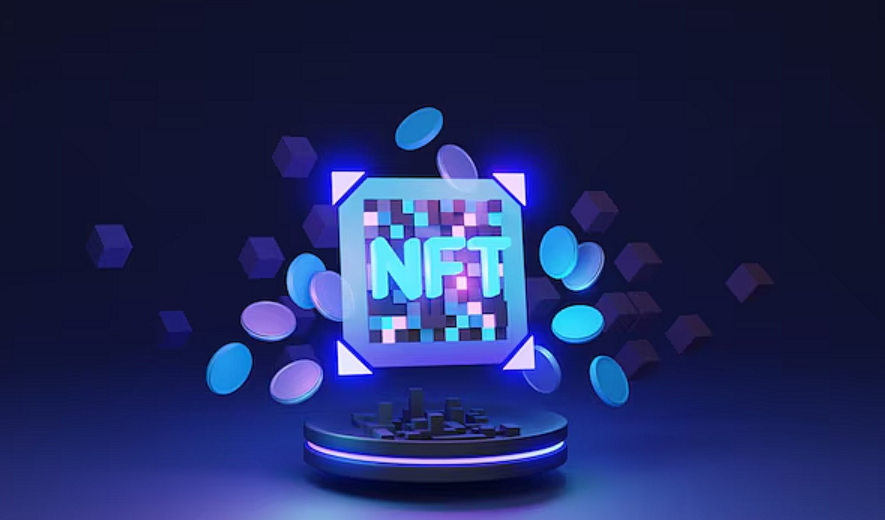
Non-Fungible Tokens (NFTs) have taken the digital world by storm, often making headlines for record-breaking sales of digital art, collectibles, and virtual experiences. However, NFTs are not limited to just digital artwork. Their underlying technology has the potential to revolutionize industries ranging from gaming and music to real estate and identity management. Understanding the NFT revolution and its applications beyond art is crucial for anyone looking to explore the future of digital ownership and blockchain technology.
What Are NFTs?
NFTs are unique digital assets stored on a blockchain, representing ownership of a specific item or piece of content. Unlike cryptocurrencies like Bitcoin or Ethereum, which are fungible and interchangeable, each NFT is distinct and cannot be duplicated.
Key Features of NFTs:
- Uniqueness: Each NFT has a distinct identifier that sets it apart from other tokens.
- Ownership Proof: Blockchain technology provides a secure and transparent record of ownership.
- Programmability: NFTs can include smart contracts that define royalties, access rights, or other rules.
- Interoperability: NFTs can often be used across multiple platforms within the same ecosystem.
NFTs Beyond Digital Art
While digital art brought NFTs into mainstream attention, their potential applications extend far beyond. Here are several notable areas:
1. Gaming
NFTs are transforming gaming by enabling true ownership of in-game assets such as characters, skins, weapons, and virtual land. Players can buy, sell, or trade NFTs across games and marketplaces, creating real-world value from digital items.
Examples:
- Virtual land in platforms like Decentraland and The Sandbox
- Unique weapons or characters in blockchain-based games like Axie Infinity
2. Music and Entertainment
Musicians and creators are using NFTs to tokenize music, concert tickets, and exclusive experiences, allowing direct engagement with fans. Smart contracts can automate royalty payments, ensuring that artists are fairly compensated each time their work is sold or resold.
Examples:
- Musicians selling limited edition NFT albums
- Exclusive virtual concert tickets with NFT verification
3. Real Estate and Virtual Worlds
NFTs can represent ownership of virtual or physical real estate, enabling secure, transparent property transactions. In virtual worlds, NFTs grant ownership of digital plots of land, which can be developed, rented, or traded.
Examples:
- Tokenized real-world property for fractional ownership
- Virtual estates in platforms like Decentraland
4. Identity and Credentials
NFTs can be used to verify identity, certifications, and memberships. Academic degrees, professional licenses, and membership passes can be tokenized, providing a tamper-proof and easily verifiable record of credentials.
Examples:
- Academic institutions issuing diplomas as NFTs
- Event organizers issuing membership passes via NFTs
5. Supply Chain and Provenance
NFTs can track the origin and history of physical goods, helping industries like fashion, luxury goods, and collectibles verify authenticity. This reduces fraud, counterfeit goods, and ensures trust in supply chains.
Examples:
- Luxury brands issuing NFT certificates for authentic products
- Tokenized provenance for rare collectibles and antiques
Advantages of NFTs Beyond Art
- True Ownership: Users can prove ownership of digital and physical assets securely.
- Monetization Opportunities: Creators can earn royalties on secondary sales automatically.
- Transparency and Security: Blockchain ensures a permanent, verifiable record of transactions.
- Interoperability: NFTs can move between platforms or games, enabling a shared digital economy.
Challenges Facing NFTs
Despite their potential, NFTs face several challenges:
- Environmental Concerns: NFT transactions on certain blockchains consume significant energy, though solutions like Ethereum 2.0 and Layer 2 networks are reducing impact.
- Speculation and Volatility: Many NFT markets are highly speculative, leading to extreme price swings.
- Legal and Regulatory Uncertainty: Ownership rights, copyright, and taxation issues are still evolving.
- Accessibility and Education: Mainstream users may find NFTs confusing or difficult to access initially.
The Future of NFTs
The NFT revolution is still in its early stages. Future developments may include:
- Expanded Use Cases: Beyond collectibles, NFTs could tokenize insurance policies, patents, and intellectual property.
- Integration with DeFi: NFTs could serve as collateral for decentralized lending or other financial instruments.
- Enhanced Interoperability: Standards and cross-platform solutions will allow NFTs to function seamlessly across multiple ecosystems.
- Sustainable Blockchains: Eco-friendly networks will support NFT growth without harming the environment.
Conclusion
NFTs are far more than digital art—they are a revolution in ownership, monetization, and trust across multiple industries. From gaming and music to real estate and identity verification, NFTs enable individuals and businesses to interact with digital and physical assets in unprecedented ways.
As technology matures and adoption expands, NFTs are set to redefine value, creativity, and ownership in the digital age. The NFT revolution is just beginning, and its implications extend far beyond the world of digital collectibles, shaping the future of how we create, share, and verify assets globally.