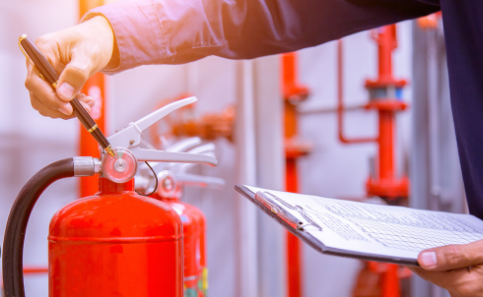
Fire safety is a critical aspect of any residential, commercial, or industrial facility. Ignoring fire hazards can lead to devastating consequences, including loss of life, property damage, and disruption of operations. A Fire Risk Assessment combined with the proper Use of Fire Protection Systems ensures that risks are identified, mitigated, and controlled, creating a safer environment for occupants and assets.
Understanding Fire Risk Assessment
Fire Risk Assessment (FRA) is a systematic process aimed at identifying potential fire hazards, evaluating the risks associated with those hazards, and implementing control measures to prevent fire incidents. It is not only a legal requirement in many countries but also a proactive approach to protect life and property.
The main objectives of a fire risk assessment are:
- Identification of Fire Hazards – Recognizing sources of ignition, fuel, and oxygen that could lead to a fire.
- Assessment of Risks – Evaluating the likelihood and potential severity of a fire occurring.
- Implementation of Control Measures – Applying strategies to minimize risks, including fire protection systems.
- Documentation and Review – Recording findings and reviewing the assessment regularly to account for changes in the environment or processes.
Key Steps in Fire Risk Assessment
A comprehensive fire risk assessment involves several structured steps:
1. Identify Fire Hazards
Fire hazards are anything that can cause or fuel a fire. Common hazards include:
- Electrical equipment malfunctions
- Flammable liquids or gases
- Heating appliances
- Cooking areas in commercial kitchens
- Poor housekeeping and accumulation of combustible materials
2. Identify People at Risk
Understanding who may be affected in case of a fire is critical. This includes:
- Employees and staff
- Visitors and customers
- Residents in high-rise or multi-occupancy buildings
- Vulnerable individuals, such as children, elderly, or disabled persons
3. Evaluate, Remove, or Reduce Risks
After identifying hazards, the next step is to assess the level of risk and implement measures to eliminate or minimize them. This can involve:
- Replacing faulty equipment
- Storing flammable materials safely
- Improving ventilation
- Providing adequate staff training in fire safety
4. Record Findings and Prepare an Action Plan
Documenting fire hazards, assessed risks, and control measures is essential for accountability. The action plan should outline responsibilities, deadlines, and the methods for controlling risks.
5. Review and Update Regularly
Fire risks change over time due to new processes, construction, or changes in occupancy. Regular review ensures that fire risk assessment remains effective and up-to-date.
Fire Protection Systems: Essential Tools in Fire Safety
Fire protection systems play a pivotal role in controlling fires and reducing their impact. They are designed to detect, contain, suppress, or alert occupants in the event of a fire.
1. Fire Detection Systems
Fire detection systems provide early warning of a fire, allowing occupants to evacuate safely and fire services to respond quickly. Key components include:
- Smoke detectors
- Heat detectors
- Flame detectors
- Manual call points (fire alarms)
2. Fire Suppression Systems
Fire suppression systems are designed to extinguish or control a fire in its early stages. Common systems include:
- Sprinkler Systems – Automatically release water when heat triggers a sprinkler head.
- Gaseous Suppression Systems – Use inert gases or chemical agents to suppress fire without damaging sensitive equipment.
- Foam Systems – Effective for flammable liquid fires, forming a barrier to smother flames.
3. Fire Extinguishers
Portable fire extinguishers are a basic yet vital part of fire protection. Types include:
- Water extinguishers for ordinary combustibles
- CO2 extinguishers for electrical fires
- Foam extinguishers for flammable liquids
- Dry powder extinguishers for multi-class fires
4. Fire Safety Infrastructure
This includes structural and passive fire protection measures:
- Fire doors to prevent smoke and flame spread
- Fire-rated walls and ceilings
- Emergency lighting and exit signage
- Fire escape routes and staircases
Integrating Fire Risk Assessment with Fire Protection Systems
The true effectiveness of fire safety is realized when fire risk assessment and fire protection systems work together. By identifying high-risk areas and integrating the right systems, organizations can:
- Reduce the likelihood of fire incidents
- Minimize damage and financial losses
- Ensure compliance with fire safety regulations
- Protect lives and maintain operational continuity
A well-coordinated approach involves:
- Using FRA findings to prioritize installation of detectors, alarms, and suppression systems
- Training staff to operate fire protection systems effectively
- Regular testing and maintenance of all fire protection equipment
Conclusion
Fire Risk Assessment and Use of Fire Protection Systems are interdependent elements of a robust fire safety strategy. While risk assessments identify potential hazards, fire protection systems provide practical solutions to prevent, detect, and control fires. Organizations that implement these measures not only ensure the safety of their occupants but also protect their assets, reduce potential losses, and comply with legal obligations. Continuous review, staff training, and proper maintenance of fire protection systems are essential for long-term fire safety.
Read Also: What Is Hardware Technology?
FAQs
Q1: How often should a fire risk assessment be conducted?
A: Fire risk assessments should be conducted annually or whenever there are significant changes in occupancy, layout, processes, or fire hazards.
Q2: Are fire protection systems mandatory for all buildings?
A: Most commercial, industrial, and multi-occupancy buildings are legally required to have appropriate fire protection systems. Residential requirements vary by jurisdiction.
Q3: What is the difference between passive and active fire protection systems?
A: Passive systems, such as fire doors and walls, contain and slow the spread of fire. Active systems, like sprinklers and alarms, detect, suppress, or alert occupants during a fire.
Q4: Can a fire risk assessment prevent all fires?
A: While it cannot guarantee complete prevention, a fire risk assessment significantly reduces the likelihood and impact of fires through early identification and control measures.
Q5: Who should conduct a fire risk assessment?
A: Fire risk assessments should be conducted by trained safety professionals or designated personnel knowledgeable in fire safety regulations and procedures.