Ethical behavior in the digital world is not defined only by laws. Ethics asks a deeper question: Is this action fair, respectful, and responsible? When people use tools to extract audio, the ethical impact depends on intent, awareness, and respect for creative effort.
Understanding the Human Side of Digital Content
Behind every song, lecture, or spoken performance is human labour time, skill, creativity, and often financial investment. Ethical use begins with recognizing that digital content is not abstract data but the result of real work by creators, educators, and artists.
Convenience vs Responsibility
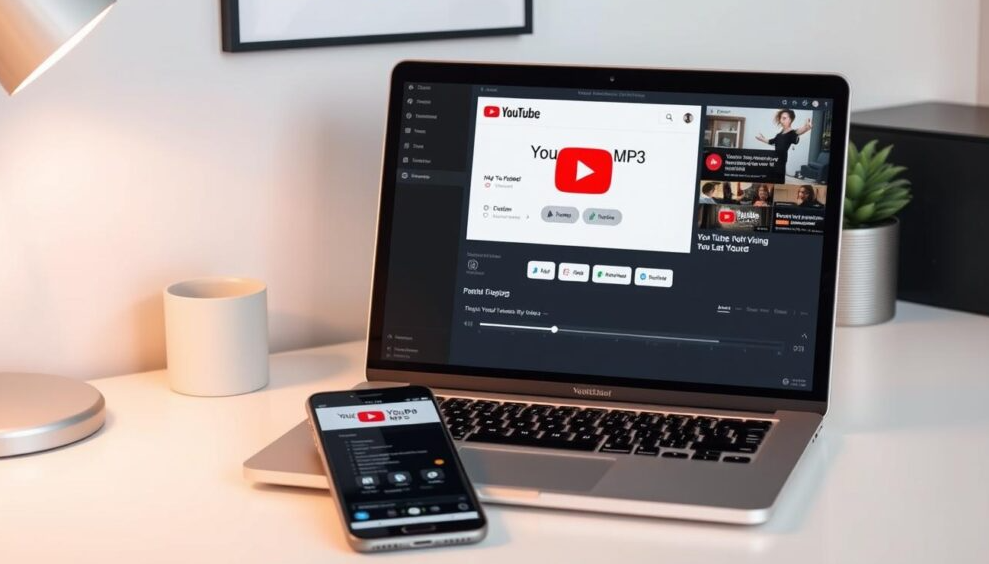
Technology makes it easy to copy and store content instantly. Ethical challenges arise when convenience overshadows responsibility. Using a quick YouTube audio extractor may feel harmless, but ethical decision-making requires considering how that action affects the creator’s control over their work.
Personal Use and Intent
Intent matters ethically, even when it may not fully resolve legal concerns. Extracting audio for focused listening, accessibility needs, or private study reflects a different ethical intent than copying content for redistribution or commercial gain. Ethics evaluates purpose, not just outcome.
Respecting Creator Choice
Creators choose how and where their work is shared. Some make content freely reusable, while others rely on controlled distribution. Ethical use involves respecting these choices rather than exploiting technical loopholes. If a creator limits reuse, ethical users take that limitation seriously.
See also: Progress at the Intersection of Tech and Biology
The Impact of Mass Behavior
Individual actions may seem insignificant, but widespread behaviour shapes digital ecosystems. When millions bypass intended usage methods, it can reduce incentives for creators to produce quality content. Ethical thinking considers collective impact, not just personal benefit.
Attribution and Acknowledgment
Ethical use also includes giving credit where appropriate. Even when audio is used privately, recognizing the source maintains intellectual honesty. Attribution reinforces respect for original creators and discourages the idea that digital content is ownerless.
Accessibility and Ethical Justification
There are ethical contexts where audio extraction supports inclusion, such as accessibility needs or learning differences. In such cases, the ethical goal is accommodation rather than exploitation. These uses highlight how ethics often depends on context rather than rigid rules.
Avoiding Ethical Drift
Repeated small compromises can normalize unethical behaviour. Regularly using a quick YouTube audio extractor without reflection may slowly erode respect for creative ownership. Ethical awareness helps users pause and reassess habits before they become automatic.
Ethical Use as Digital Citizenship
Being ethical online is part of being a responsible digital citizen. It means balancing personal convenience with fairness, empathy, and respect for others’ work.
Choosing Thoughtful Engagement
Ethical use of conversion tools is not about restriction—it’s about mindfulness. When users engage thoughtfully, they contribute to a digital environment that values creativity, fairness, and sustainability.