Dark spots are often grouped under the word pigmentation, but not every patch of colour develops for the same reason. Sun exposure, acne, inflammation, hormonal changes and deeper pigment conditions can all create different patterns on the skin.
This matters when considering laser treatment. The cause, depth and type of pigmentation can influence which settings are used, how many sessions may be needed and whether laser should be combined with other treatments. Treating every brown mark in the same way may not give the best result.
What Pico Laser Means
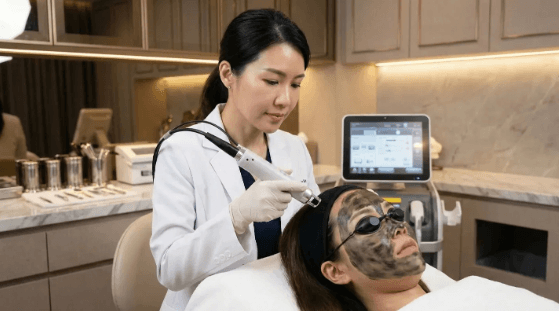
A pico laser malaysia treatment uses very short pulses of laser energy to target pigment particles in the skin.
Different wavelengths and settings can be used depending on the concern and the device. This means that “pico laser” is not one fixed treatment that is applied in exactly the same way to every patient.
Two people may both receive pico laser treatment but have different settings, treatment areas and session plans. The approach should depend on the skin condition being treated and how the person’s skin is expected to respond.
Identify the Pigment Before Treatment
Before laser treatment is considered, the clinician should assess the colour, pattern, depth and likely cause of the pigmentation.
A sun spot, a post-acne mark and melasma may look similar at first, but they can behave very differently. Some forms of pigmentation may respond well to laser treatment, while others may need a more cautious combination of skincare, sun protection and additional treatments.
This is particularly important for people whose skin is prone to post-inflammatory pigmentation. If treatment is too aggressive, irritation may cause new discolouration or make an existing problem more noticeable.
How Pigmentation-Focused Pico Treatment Is Planned
For pico laser pigmentation malaysia, treatment may be adjusted according to the type of pigment, skin tone and previous response to laser.
The practitioner may change the wavelength, energy level and number of passes instead of using one standard setting for everyone.
Some pigmentation concerns need several sessions because pigment is cleared gradually. Treatment intervals also give the skin time to recover before the next session.
Patients should therefore be cautious of promises that one session will completely remove every form of pigmentation. Even when visible improvement occurs, new pigment can develop later due to sun exposure, inflammation or hormonal changes.
See also: What Is Hardware Technology?
Sun Protection Matters
Laser may help target existing pigment, but it cannot prevent the skin from producing new pigment after ultraviolet exposure.
Daily sun protection is therefore an important part of most pigmentation treatment plans. Broad-spectrum sunscreen, protective clothing and reducing unnecessary exposure to strong sunlight can help lower the risk of recurrence.
This is especially relevant in Malaysia, where regular sun exposure can occur during commuting, walking and everyday outdoor activities.
Sun protection should continue after the skin has healed rather than being used only for a few days after treatment.
What Recovery May Look Like
After pico laser treatment, some patients may experience temporary redness, warmth, mild swelling or sensitivity.
Certain treated spots may appear darker before they gradually fade. Recovery depends on the treatment settings, the condition being addressed and the individual’s skin response.
Patients should follow the aftercare instructions provided by the clinic. Strong exfoliants, picking at treated areas or introducing active skincare too quickly can irritate healing skin.
For people who are already prone to pigmentation, unnecessary irritation may increase the chance of further colour changes.
Expect More Than a Quick Fix
Pigmentation often needs patience.
Even when laser treatment is useful, deeper or recurring pigment conditions may need ongoing management. A doctor may combine laser with topical products, adjusted skincare or other treatments depending on the diagnosis.
Reviewing progress between sessions also allows the plan to change when needed. One area may improve quickly while another responds more slowly.
This is why repeated assessment can be more useful than simply using the same laser settings at every appointment.
Prepare Properly Before Treatment
Before the appointment, patients should mention the skincare products and treatments they currently use.
Retinoids, exfoliating acids, brightening products, recent chemical peels and other active treatments may affect skin sensitivity. A clinician may advise stopping certain products before or after laser treatment.
It is also helpful to mention previous laser treatments, reactions to skincare and any history of pigmentation becoming worse after irritation.
These details can help the practitioner decide how cautiously the skin should be treated.
Conclusion
Pico laser can be useful for selected pigmentation concerns, but the best results begin with understanding what is causing the dark spots.
The diagnosis can influence laser settings, number of sessions, recovery advice and whether other treatments are needed. Patients should expect a personalised approach rather than one standard treatment for every type of pigmentation.
Sun protection, suitable skincare and realistic expectations are also important parts of the process. Careful assessment matters just as much as the laser technology itself.