Buying commercial laundry equipment is a major investment, and the supplier can influence much more than the machine purchase itself. Installation, layout planning, technical support, spare parts, training, and maintenance can all affect how smoothly the business operates after opening.
Anyone searching for a laundry equipment supplier malaysia should therefore compare the complete support package rather than focusing only on equipment price. A reliable supplier should help match the machines to the business model, expected workload, available space, and long-term operating needs.
Start With the Business Requirements
A self-service laundromat, hotel, hostel, healthcare facility, and industrial laundry all have different equipment needs. The right supplier should first understand what type of operation is being planned.
Daily laundry volume, customer profile, fabric types, operating hours, and expected peak demand should all be discussed before equipment is recommended. This helps reduce the risk of buying machines that are too large, too small, or unsuitable for the intended use.
Look for More Than Product Sales
A supplier should be able to explain why a specific machine or system is appropriate. Simply providing a quotation without discussing the wider laundry workflow may leave important issues unresolved.
Good planning may include machine capacity, dryer balance, payment systems, utility requirements, and layout. These details can have a direct impact on efficiency and operating costs.
Check the Range of Equipment Available
Businesses often need more than one type of machine. Washers, dryers, washer extractors, finishing equipment, and payment systems may all form part of the final setup.
A supplier with access to different equipment categories can help create a more balanced system. It also gives buyers more flexibility when comparing capacity and performance.
Choose Machines for Commercial Use
Anyone evaluating a laundry machine for business malaysia should make sure the equipment is designed for repeated commercial operation rather than occasional household use.
Commercial machines are typically built for higher cycle frequency and heavier workloads. Durability matters because downtime can quickly affect revenue, especially in self-service or high-volume laundry environments.
Ask About Site Assessment
Before machines are installed, the premises should be checked for water supply, drainage, electrical capacity, ventilation, gas requirements where applicable, and available floor space.
A site assessment can identify problems before equipment arrives. This reduces the risk of costly changes during installation or delays to the business launch.
Installation Quality Matters
Even high-quality equipment can perform poorly if it is installed incorrectly. Proper levelling, drainage, electrical connections, ventilation, and machine spacing are essential for safe and reliable operation.
Buyers should ask whether installation and commissioning are handled by trained technicians. They should also confirm whether testing is completed before the machines are handed over for normal use.
After-Sales Support Protects the Investment
Commercial laundry machines may run many cycles every day, so maintenance and repairs are part of normal ownership.
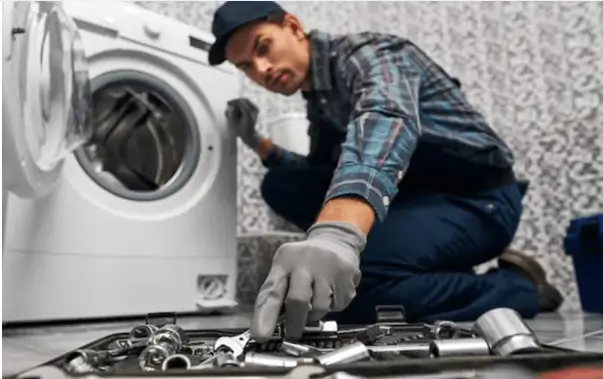
A good supplier should explain how technical support works, how quickly technicians can respond, and whether common spare parts are held locally. Fast support helps reduce downtime and protects customer confidence.
Training Can Improve Daily Operation
Equipment may include programmable cycles, digital controls, payment systems, or maintenance features that operators need to understand.
Training helps staff use the machines correctly and recognise early signs of problems. For self-service outlets, the supplier may also assist with customer instructions or operating guidance.
Compare Energy and Water Efficiency
Utility costs can have a major effect on profitability. Machines with better water and energy efficiency may cost more initially but can reduce operating expenses over time.
Buyers should compare actual specifications rather than relying on general claims. The expected number of daily cycles should be used when estimating long-term savings.
See aslo: Why Technology Skills Matter
Review Warranty and Spare Parts
Warranty terms should be checked carefully before purchase. Buyers should understand what components are covered, how long the warranty lasts, and whether labour or transport charges are included.
Spare-parts availability is equally important. A machine that cannot be repaired quickly may create more disruption than one with slightly higher purchase cost but stronger local support.
Calculate Total Ownership Cost
The cheapest quotation is not always the best value. Purchase price, installation, utilities, servicing, replacement parts, downtime, and equipment lifespan all contribute to the real cost.
A total-cost comparison helps businesses evaluate equipment more realistically. It can also reveal whether a higher initial investment may offer better long-term efficiency.
Conclusion
Choosing a laundry equipment supplier is a long-term business decision rather than a simple purchase. Equipment selection, site assessment, installation, training, after-sales service, and spare-parts support all influence how successfully the system operates.
Businesses that compare the full support package are in a stronger position to protect their investment. The right supplier should help create a laundry setup that is reliable, efficient, and suitable for both current demand and future growth.