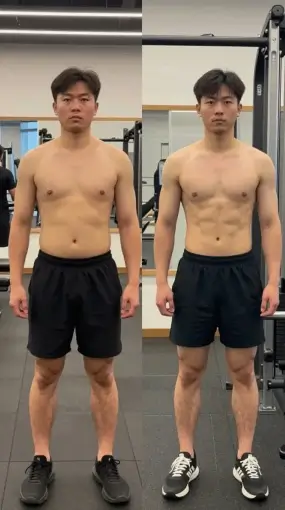
Male chest fullness is often assumed to be a simple fat problem, but the appearance can come from several different tissues. Some men primarily have excess fat across the chest, while others have enlarged glandular breast tissue. Loose skin may also become noticeable after major weight loss.
People searching for man boobs surgery Malaysia should therefore begin with an assessment rather than assuming that ordinary fat removal will solve the concern. The treatment plan depends on whether the enlargement is caused mainly by fat, glandular tissue, skin laxity or a combination of these factors.
Gynecomastia Is More Than a Weight Issue
Gynecomastia refers to enlargement of male breast gland tissue. It can occur during adolescence or adulthood and may be associated with hormonal changes, certain medicines or other health factors.
A man can develop gynecomastia even when his overall body weight is within a healthy range. Likewise, losing weight may reduce fatty tissue without eliminating a firm glandular component beneath the nipple.
This is why persistent chest enlargement should not automatically be treated as ordinary body fat.
Chest Fat Can Look Similar
Some men mainly have excess fatty tissue in the chest rather than significant gland enlargement. This is sometimes described as pseudogynecomastia.
From the outside, the two conditions can look similar. Physical examination helps determine whether the chest feels predominantly fatty, contains a firm glandular component or has both.
The distinction matters because different tissues require different surgical techniques.
When Excision May Be Needed
Firm glandular tissue cannot always be treated effectively with liposuction alone. When glandular enlargement is significant, direct surgical excision may be required.
The incision pattern depends on the amount and location of tissue being removed. In more pronounced cases, loose skin or changes in nipple position may also influence surgical planning.
The goal is not simply to remove as much tissue as possible. The surgeon needs to preserve a natural chest contour and avoid excessive flattening or irregularities.
When Liposuction Has a Role
Patients considering liposuction Kuala Lumpur may be familiar with liposuction as a method for reducing localised fat in areas such as the abdomen, waist or thighs.
The same basic technique can sometimes be used in the male chest when excess fatty tissue contributes to fullness. A small cannula removes selected subcutaneous fat through limited incisions.
However, general liposuction and gynecomastia surgery should not be treated as interchangeable. Liposuction removes fat, while true gynecomastia may require treatment of glandular tissue as well.
See also: Trauma-Informed Care: Rethinking How We Support Healing
Some Patients Need Both Techniques
Many cases are mixed rather than purely fatty or purely glandular.
A surgeon may therefore use liposuction to reduce surrounding fat and excision to remove firmer glandular tissue. This combination can help create smoother transitions between the chest and neighbouring areas.
The exact balance between techniques should be determined by anatomy rather than a standard package offered to every patient.
Loose Skin Changes the Plan
Significant weight loss can leave the chest with stretched or hanging skin even after excess fat has decreased.
In these cases, removing more fat may not adequately improve the appearance. Skin removal or repositioning may need to be discussed when laxity is substantial.
Scar placement becomes particularly important when skin excision is required. Patients should understand that larger corrections usually involve longer scars.
Medical Assessment Still Matters
Before surgery, patients should discuss current medicines, medical conditions and any history of hormonal or breast-related problems.
If chest enlargement develops suddenly, is painful, affects only one side or is associated with another unusual change, further medical assessment may be needed before cosmetic surgery is considered.
Surgery should address an established anatomical concern rather than replace investigation of a possible underlying condition.
Recovery Depends on the Technique
Recovery after liposuction alone can differ from recovery after gland excision or more extensive skin removal.
Swelling, bruising and temporary changes in sensation can occur. Compression garments may be recommended, and strenuous upper-body exercise may need to be limited temporarily.
Patients should follow the individual postoperative plan rather than relying on another person’s recovery timeline.
Keep Expectations Realistic
Male chest surgery can improve contour, but it cannot guarantee perfect symmetry or prevent every future change.
Weight fluctuations, ageing and individual healing can influence the result. Scars also mature differently between patients and should not be described as completely invisible.
The aim should be a proportionate chest contour that fits the patient’s anatomy.
Conclusion
Male chest fullness may result from fat, glandular breast tissue, loose skin or a combination of all three. This is why choosing treatment based only on appearance or body weight can lead to unrealistic expectations.
Liposuction can be useful when excess fat is an important part of the problem, while true gynecomastia may require glandular excision or a combined approach. A qualified plastic surgeon can identify the tissues involved and explain which procedure is appropriate, along with likely scars, recovery and potential risks.