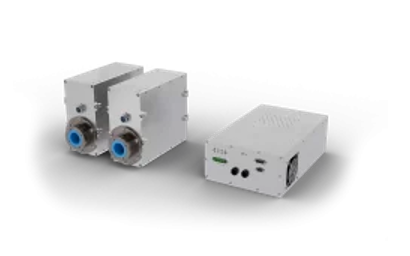
Modern X-ray systems rely on precisely engineered components to deliver stable operation, accurate imaging, and dependable performance across diverse applications. Industrial inspection, analytical equipment, research environments, and medical systems each require different technical specifications, making component selection a critical part of system development. When evaluating high-voltage X-ray source manufacturers, developers may consider output stability, voltage requirements, cooling arrangements, physical dimensions, integration capabilities, and expected operating conditions.
Understanding these considerations helps teams identify solutions that align with their equipment’s technical demands. Careful evaluation can also support reliable integration, efficient operation, and consistent imaging performance. Selecting suitable X-ray technology therefore involves considering both component capabilities and the specific requirements of the application where the system will be deployed.
Stable Power and Precision Support Modern X-Ray Systems
Reliable X-ray performance depends on controlled power delivery, component compatibility, and system design that supports consistent operation across different applications.
1. Power Stability Supports Consistent System Performance
High-voltage components play an important role in supplying controlled energy to X-ray systems. Stable output can support consistent operation during imaging, inspection, and analytical activities. Requirements vary by intended voltage, current, power, and operating environment. Engineers can therefore evaluate power characteristics alongside the wider system architecture. A carefully matched configuration can help ensure components operate together according to their intended requirements while supporting dependable performance during regular system operation.
2. Compact Components Improve Integration Possibilities
Modern X-ray equipment may require components that fit within limited installation spaces. Compact designs can help equipment manufacturers develop smaller or more flexible systems. Smaller components can also affect installation and overall system design. However, consider physical dimensions alongside power requirements, cooling, and intended performance. An appropriate balance between compact construction and technical capability can help developers create systems suited to their application while maintaining practical access for installation, servicing, and ongoing maintenance.
3. Cooling Requirements Support Reliable Operation
X-ray components can generate heat during operation, making thermal management an important consideration in system design. Cooling arrangements may depend on power levels, duty cycles, installation conditions, and equipment requirements. Suitable thermal control can support more consistent operation and help manage the demands placed on critical components. System developers can evaluate cooling requirements during the design stage rather than treating them as an isolated consideration. Connecting power delivery with thermal management can support a more complete approach to X-ray system development.
Advanced Components Strengthen High Voltage X-Ray Performance
Technology choices can influence output, reliability, integration, and operational flexibility, making component selection an important part of developing advanced imaging and inspection systems.
1. Integrated Sources Combine Important System Components
Integrated X-ray source designs can combine components such as the X-ray tube, high-voltage power supply, and control electronics within a compact arrangement. This approach can simplify certain integration requirements for equipment developers. Different integrated designs may offer varying output capabilities and features according to their intended applications. Reviewing technical specifications can help engineers determine whether a source suits their particular requirements. Compatibility with the wider system remains important when considering installation, controls, operating conditions, and the intended imaging or inspection process.
2. Evaluating High Voltage X-ray Source Manufacturers
When assessing high-voltage X-ray source manufacturers, developers can review the available product range and consider whether technical characteristics match their intended application. Output requirements, component dimensions, integration options, thermal management, and operating conditions can all influence selection. Some applications may require compact equipment, while others may prioritise higher power or specialised performance characteristics. Comparing available solutions according to actual system requirements can provide greater clarity and help developers select components based on engineering priorities rather than a single product feature.
3. Control Interfaces Support System Coordination
Communication and control features can influence how X-ray components interact with the wider equipment system. Digital interfaces may support monitoring and coordination between power components, control software, and other system elements. Review integration requirements based on the equipment architecture and intended operating process. Engineers can consider available mounting, interface, and control options before finalising component selection. This helps establish whether the chosen technology can be incorporated effectively into the wider design while supporting practical operation and future system development requirements.
Industrial Applications Demand Reliable X-Ray Technologies
Industrial environments require X-ray technologies for inspection, measurement, analysis, and quality-control activities across different sectors. Non-destructive testing can help examine components and materials without damaging them, making it useful in aerospace, automotive, electronics, and manufacturing applications. Equipment requirements can vary according to material type, inspection conditions, imaging needs, power output, and system configuration. X-ray technology can also support thickness measurement, material sorting, recycling, wood inspection, and other specialised processes. Developers should identify the intended application before selecting equipment or components, as each use may involve different technical requirements. Evaluating imaging capabilities, operating conditions, system compatibility, and installation needs together can support a more practical technology selection. A suitable configuration can help align X-ray equipment with specific industrial inspection and quality requirements.
Controlled Power Creates High Voltage Generator Solutionsspecialized
A dependable power system can provide controlled electrical output for X-ray equipment used across industrial, analytical, medical, and security applications. Generator selection may depend on voltage, current, power requirements, operating conditions, and compatibility with the wider system. For specialised applications, a high voltage generator solution can be evaluated according to its integration with X-ray tubes, control systems, cooling arrangements, and installation environments. Reliability can also depend on thermal management, component quality, maintenance, and correct installation. Evaluating the generator as part of the complete X-ray system provides a clearer understanding of its role and capabilities. A coordinated approach can support stable operation, practical integration, and better alignment between power requirements and the intended application.
See also: Business Growth Hacks You Need to Know
Final Thoughts
X-ray systems demand precision, stability, and dependable power performance across demanding applications. From industrial inspection and security to medical, electronics, food, and analytical systems, choosing the right high-voltage technology can directly influence system integration and operational reliability.
For organisations seeking a high-voltage generator solution, VJ X-Ray offers integrated X-ray sources and high-voltage generators engineered for diverse technical requirements. Their IXS series combines essential source components within compact designs, while the HVL/HVG generator range supports different voltage and current requirements with OEM integration in mind. Explore the available solutions and specifications to identify the technology best aligned with your application, system architecture, and performance needs.