Two machined plates can carry identical bolt patterns and still refuse to sit true. The alignment hardware between them makes the difference. Sourcing from a precision dowel pins exporter gives assembly teams the location accuracy that bolts alone never deliver. A bolt clamps. It does not locate. That gap explains most forced-fit assemblies.
Misaligned housings wear bearings early and pull gear meshes off center. Routine service becomes rework. A precision dowel pins exporter supplies hardened, tightly toleranced location parts that hold mating components exactly where the drawing intended. Fit the correct pin and parts drop together the same way every time, on the line or in the field.
A Dowel Pin Defined for Engineers and Buyers
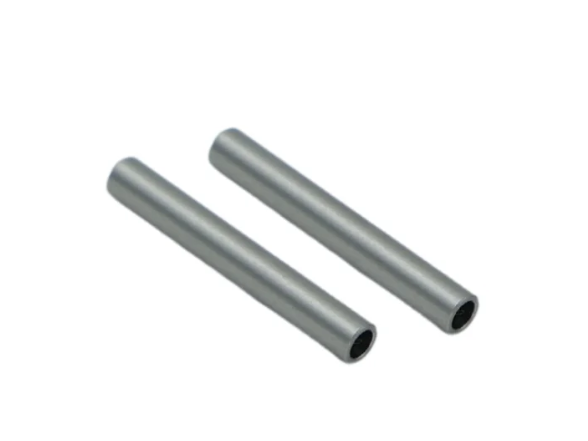
A Headless Cylinder Ground to Microns: A dowel pin is a solid, headless cylindrical fastener manufactured to a tight diameter tolerance and pressed into reamed holes to fix the position of two mating parts. Wikipedia’s engineering entry frames it the same way, describing a plain cylindrical rod used for accurate location rather than clamping. The definition stays short because the job is that specific.
How the Pin and Hole Lock Position: Location comes from controlled contact between pin and holes. One hole grips the pin through an interference fit while the mating hole receives a close slip fit, and the pair locks position as bolts supply clamp load. Tolerances sit in the micron range, so grinding rather than turning finishes the diameter.
See also: Caramanna Friedberg LLP: Trusted Criminal Defence Lawyers in Toronto
The Jobs Dowel Pins Actually Do
Location Duty and Shear Duty in One Part: Dowel pins hold mating parts on a fixed datum and carry shear loads that would otherwise bend bolt shanks. They also let an assembly come apart and go back together without losing position. Fixtures, dies, gearbox housings, and robotic joints depend on that repeatability through every service cycle their working life demands.
What Happens When Pins Are Left Out: Skip the pins and bolts take over location duty by accident. Clearance around each bolt shank lets parts shift under vibration, so holes elongate and joints loosen in ways a torque check never catches. In everyday assembly work, engineers routinely see machines that drifted out of alignment for months before anyone traced the fault to missing location hardware.
Why Alignment Decides How an Assembly Feels
The Feel of a Properly Located Assembly: An assembly feels engineered when its parts locate themselves. Push a doweled cover onto its housing and it settles into place under light hand pressure, no persuasion from a mallet. That feel is measurable too. Concentricity holds and seal faces meet evenly, which is where buying from a precision dowel pins exporter starts paying for itself.
Why Waiting Makes the Repair Bigger: Postponing the fix narrows your options fast. Worn bolt holes cannot be reamed for pins without welding or bushing repairs first, and a housing that has fretted for a year may need full replacement instead of a two-dollar pin. Early doweling costs minutes at the design stage. Late correction costs downtime and scrapped castings.
Four Pin Types and Where Each One Wins
Straight, Tapered, and Grooved Compared: Standard straight pins suit permanent, high-accuracy location in hardened assemblies. Tapered pins allow repeated removal and pull themselves tight as they seat, a fair trade for slightly lower positional accuracy. Grooved pins bite into plain drilled holes and skip the reaming step where machining budgets are tight. Every choice trades accuracy against cost and serviceability.
Where Spring Pins Earn Their Place: Spring dowel pins, also called roll pins, flex against the hole wall and forgive wider tolerances. They install fast and absorb shock, though a rolled sleeve never matches a ground solid pin for accuracy. Pick them for hinges, stops, and retention duties. Keep solid ground pins for datum-level alignment work.
Materials That Keep Location Accuracy for Decades
Hardness Standards Buyers Can Specify: Alloy steel pins, case hardened or through hardened, reach a Rockwell hardness near HRC 60 and shrug off the surface wear that repeated assembly cycles cause. Standards such as ASME B18.8.2 and ISO 8734 fix the diameter tolerances and hardness bands, giving buyers a common language for specifying pins across plants and suppliers.
Matching Material to the Working Environment: Stainless grades trade some hardness for corrosion resistance, the right call for food machinery, marine hardware, and medical fixtures. Hardened carbon steel covers general machine building at the lowest cost per piece. Match pin material to the housing where possible, because mismatched wear rates shorten the service life of both.
Buying Checks That Separate Reliable Pins from Cheap Ones
Paperwork Before Price: Print and batch paperwork tell you more than any catalog photo will. A dependable precision dowel pins exporter backs every lot with dimensional inspection reports and traceable heat treatment records, so the checks below take minutes instead of arguments. Run them before pins reach your line, not after the first fixture fails inspection.
- Measure the diameter at three points along each pin. Taper from worn grinding wheels ruins press fits.
- Confirm hardness certificates against the standard your drawing calls out.
- Check the chamfer. A damaged lead-in edge shaves the hole wall during pressing.
- Ask for batch traceability on any safety-related assembly.
- Verify surface finish, since a rough pin galls stainless bores.
Location Accuracy as a Sourcing Decision
Dowel pins cost under one percent of most assemblies yet decide whether the rest goes together straight. Buyers who treat a precision dowel pins exporter as a long-term technical partner get consistent fits across every batch instead of lot-to-lot surprises. Each month on loose location hardware adds wear no repair removes. Share your drawings and tolerance requirements today to receive a matched quotation.