The phone rings twice and a friendly voice answers. It sounds reassuring, but that voice may sit in a call center hundreds of miles away, with no idea what a Marion County panel looks like. Finding a real local electrician in Indianapolis takes more than a quick search and dialling the first number that pops up. The right questions sort the neighbors from the intermediaries fast. Ask them before anyone touches your wiring, because once the work is done, undoing a bad choice gets expensive.
A dispatch operation books your job, then hands it off to whoever is available. A local electrician in Indianapolis shows up as the same company you called on the phone. That difference shapes how the whole job goes, from the first quote to the last inspection. These four questions surface it in minutes, and the answers tell you almost everything you need to know.
Question One: Who Actually Does the Work
Ask straight out whether the crew is in-house or subcontracted. National booking services often farm jobs to whoever is free that day. You never learn who is coming until they park in your driveway, and by then you have already committed your afternoon.
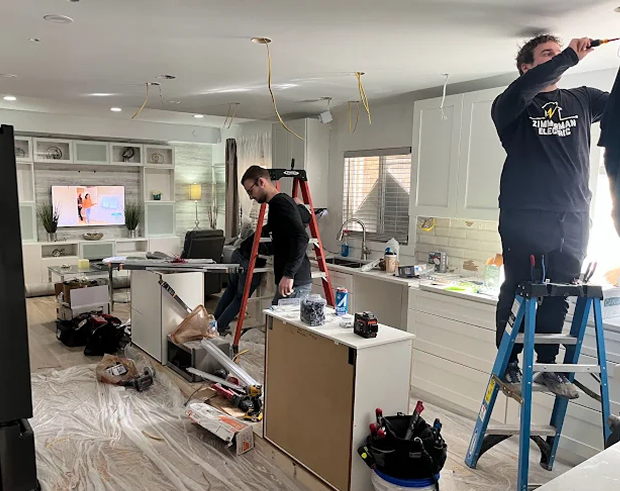
A local team answers with names, not a shrug. Zimmerman Electric Indy sends its own licensed electricians, so the person quoting the job is the person doing it. That matters more than it sounds. When one crew handles the estimate, the wiring, and the follow-up, nothing gets lost in a handoff between strangers.
There is another angle here too. A subcontractor working under a national brand has no reason to protect that brand’s name. They finish, they leave, and they move to the next ticket. A neighbor doing the work carries a different weight on their shoulders.
See also: Caramanna Friedberg LLP: Trusted Criminal Defence Lawyers in Toronto
Question Two: Do You Know Indianapolis Code
Local permitting is its own world, and it changes from one city to the next. Ask if they handle Department of Business and Neighborhood Services permits and pull them under their own license. A vague answer here is a red flag worth trusting.
Here is why it counts. Pre-1980 homes in Broad Ripple and Meridian-Kessler carry old wiring that trips up crews who do not know the area. Two-prong outlets, undersized panels, and cloth-wrapped conductors hide behind the walls. Someone familiar with these houses spots the trouble early, before it turns into a failed inspection or a torn-open wall.
A crew that knows the code also knows the inspectors and the process. That saves you days, sometimes weeks. A dispatched technician learning Indianapolis rules on your job is learning on your dime, and mistakes at this stage cost real money to fix.
Question Three: Is the Price the Final Price
Get the quote in writing, then ask what could change it. Dispatch outfits love a low teaser number that climbs once the technician arrives and starts finding reasons to add line items. By then you have already lost the afternoon and feel stuck saying yes.
Let’s break it down with a few direct questions:
- Ask if the estimate is fixed or just a starting point.
- Ask what happens if they find an older panel behind the drywall.
- Ask whether permit fees are included or billed separately.
- Ask if there is a trip charge or a diagnostic fee on top.
Upfront pricing means the number holds from start to finish. That kind of honesty is rare with a brand that answers to a regional office three states away. A local electrician sets the price, owns the price, and does not need permission from a manager to keep it fair.
Question Four: What Happens If Something Goes Wrong
Think ahead to next winter. A breaker trips at night, or an outlet stops working during a cold snap. Who picks up the phone? With a call center, you rejoin the queue and start over with someone who has never seen your home.
A neighborhood electrician stands behind the job because their reputation lives right here. Their name sits on the reviews your neighbors read before they hire anyone. That pressure keeps the work honest long after the invoice clears, because a bad job in a small community follows you around.
Ask directly how they handle callbacks and warranty issues. A real local company gives you a clear answer and a real person to reach. A dispatch number gives you a script and a long hold time. The gap between those two responses says plenty about what you are actually buying.
Final Thoughts
Ask the four questions, listen closely to the answers, and pick the team that actually shows up. Your home and your wallet both depend on getting this one right.
Ready to talk to a real local crew? Reach out today for a free, no-pressure estimate on your next electrical project.